

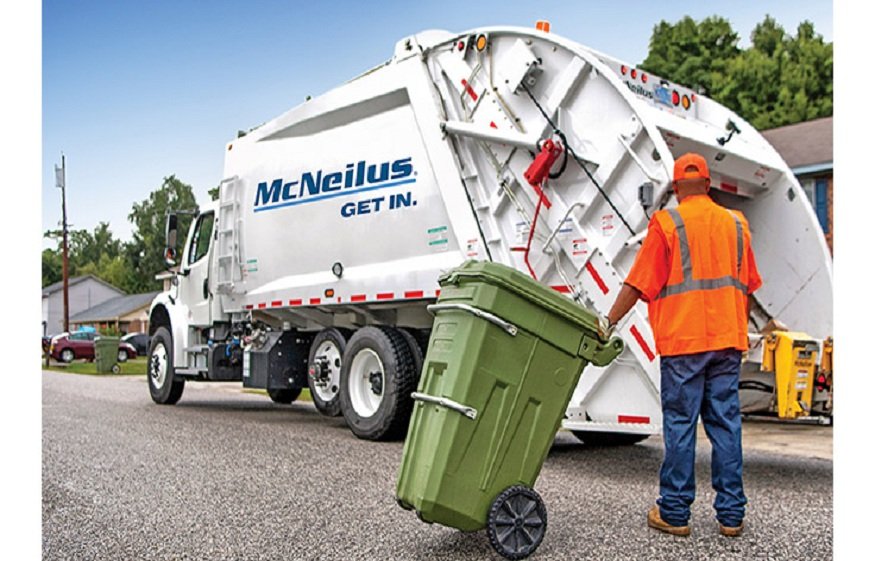
Modern waste management is essential for maintaining clean communities, protecting public health, and supporting environmental sustainability. As residential populations and commercial activities continue to grow, municipalities and private waste management companies must handle increasing collection requirements. Reliable refuse trucks play a central role in these operations because they collect, compact, and transport waste from different locations. McNeilus refuse trucks contribute to this industry through vehicle configurations designed for various residential, commercial, and municipal applications.
Supporting Residential Waste Collection
Residential waste collection is one of the most visible parts of modern sanitation services. Households produce waste every day, and municipalities must organize regular collection schedules to prevent accumulation around homes and public spaces.
Refuse trucks help collection crews transport household waste efficiently. Different loading configurations allow businesses to choose vehicles according to container systems, street conditions, and collection methods.
McNeilus offers rear-loading and automated side-loading configurations for different residential collection applications. These vehicles can support organized collection routes when properly selected and maintained.
Efficient residential collection also depends on route planning, employee training, and communication between drivers and collection teams. Appropriate equipment helps make these responsibilities more manageable.
Supporting Commercial Waste Management
Commercial properties, restaurants, shopping centers, warehouses, and industrial facilities can generate significant quantities of waste. Their collection requirements may differ from those of residential customers because they often use larger containers and require more specialized pickup arrangements.
Front-loading refuse trucks are commonly used for commercial collection. Their lifting arrangements allow compatible containers to be handled from the front of the vehicle.
McNeilus front loaders provide options for businesses that manage commercial waste collection routes. Fleet managers should evaluate container sizes, service frequency, loading areas, and expected waste volumes before selecting equipment.
Read More: How to Choose the Right McNeilus Rear Loader for Your Waste Collection Business
A properly configured truck can help businesses maintain collection schedules and manage commercial waste more effectively.
Improving Waste Collection Efficiency
Efficiency is a major concern for waste management companies because collection operations involve fuel, labor, vehicle maintenance, and disposal expenses.
A suitable refuse truck can help crews complete collection tasks according to planned schedules. Vehicle capacity, loading systems, maneuverability, and operating conditions all influence route performance.
Modern fleet managers should evaluate how each truck performs across its assigned service area. Monitoring collection times and maintenance requirements can help identify opportunities to improve daily operations.
McNeilus refuse trucks support different collection methods, allowing businesses to organize their fleets according to specific operational demands.
Supporting Recycling and Environmental Programs
Recycling has become an important part of modern waste management. Communities and businesses increasingly separate recyclable materials from general waste to support resource recovery and reduce landfill use.
Collection vehicles must be appropriate for the materials and containers involved in these programs. Different body configurations and collection arrangements can support recycling operations depending on local requirements.
Waste management companies should consider the type of materials collected, container systems, contamination prevention, and transportation arrangements when selecting equipment.
McNeilus provides refuse and recycling collection vehicle solutions that businesses can evaluate when planning fleet requirements. The right equipment can help organizations coordinate collection activities and support broader waste reduction programs.
The Growing Importance of Electric Refuse Trucks
Environmental considerations are influencing the development of commercial vehicle technology. Electric refuse trucks are attracting attention because they can reduce tailpipe emissions and operate more quietly than conventional diesel-powered vehicles.
McNeilus has introduced the Volterra electric refuse vehicle platform. Its electric configurations are designed to support waste collection operations while offering features such as regenerative braking and quieter operation.
Electric vehicles may be particularly relevant for urban collection routes where noise and local emissions are important considerations. However, buyers should evaluate battery range, charging infrastructure, route length, payload requirements, and total operating costs before making a purchasing decision.
The transition to electric collection vehicles requires careful planning because charging arrangements and fleet operations must work together.
Improving Fleet Maintenance and Availability
Reliable equipment is essential for waste management companies that operate on fixed collection schedules. A mechanical problem can remove a vehicle from service and place additional pressure on the remaining fleet.
Preventive maintenance helps reduce unexpected interruptions. Companies should regularly inspect hydraulic systems, brakes, tires, electrical components, loading mechanisms, and vehicle structures.
Access to McNeilus companies resources and technical information can help fleet managers research equipment support and maintenance requirements. Businesses should also establish relationships with qualified technicians and suitable parts suppliers.
Ten-8 Industrial supports McNeilus refuse and recycling vehicle customers in its dealership territory through parts, service, maintenance, and vehicle sales. Its support network can be relevant to businesses operating in Alabama, Florida, Georgia, and Mississippi.
Using Technology to Improve Fleet Operations
Technology is playing an increasingly important role in waste collection. Fleet managers may use vehicle monitoring systems, cameras, and telematics to better understand how trucks perform during daily operations.
These systems can provide information that supports route planning, vehicle monitoring, and maintenance decisions, depending on the equipment installed.
Some modern collection solutions also offer features designed to assist operators during loading activities. Businesses should evaluate available technology according to their fleet size, operating budget, and service requirements.
Read More: The engine is the cheap part: what a used engine swap really costs
Technology is most useful when companies have clear procedures for reviewing the information and using it to improve their operations.
Supporting Workplace Safety
Waste collection involves several safety challenges. Trucks operate near pedestrians, moving traffic, parked vehicles, and workers handling heavy containers.
Modern refuse truck operations should include appropriate safety equipment and employee training. Drivers need to understand vehicle controls, warning systems, mirrors, cameras, and recommended operating procedures.
Collection crews should maintain safe working distances from moving equipment and follow established loading procedures.
Companies should also conduct daily vehicle inspections and address safety-related problems before trucks return to collection routes.
Planning for Growing Waste Management Demands
Population growth, new commercial developments, and changing environmental regulations can increase the demand for waste collection services.
Businesses must regularly review their fleet capacity and determine whether their existing equipment can handle future requirements.
Evaluating McNeilus companies and their collection vehicle solutions can be part of researching available equipment for expanding operations. Fleet managers should compare configurations, technical specifications, maintenance needs, and dealer support before making investment decisions.
Long-term planning helps companies maintain sufficient collection capacity while managing their operating budgets.
Conclusion
McNeilus refuse trucks play an important role in modern waste management by supporting residential collection, commercial waste services, recycling activities, and evolving fleet requirements. Different vehicle configurations allow businesses to select equipment suited to their collection methods and operating environments.
As the industry develops, electric vehicle technology, fleet monitoring, and improved maintenance practices are becoming increasingly relevant. Companies can support dependable operations by selecting suitable vehicles, training employees, and working with experienced service providers. Ten-8 Industrial offers McNeilus vehicle sales, parts, and service support in its authorized territory, helping customers evaluate equipment and maintenance solutions for their waste management operations.
