

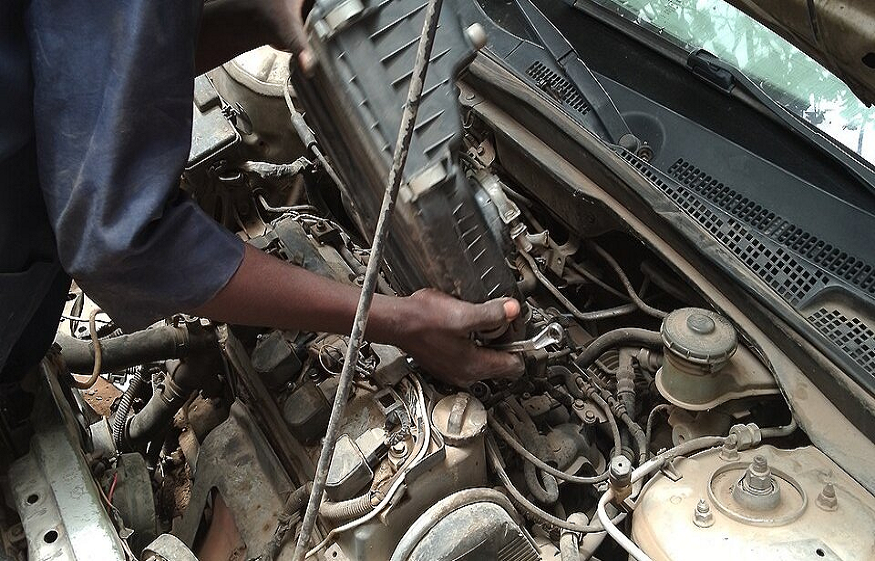
The quote said $1,400 for the engine. The final invoice said a little over $4,000. Nobody lied to the owner of that 2006 sedan; the first number simply described one line of a much longer bill. That gap is the part of an engine swap people rarely plan for, and it is where most of the frustration comes from.
If you are pricing a replacement because your current motor spun a bearing or started drinking oil, the engine itself is usually the easy decision. Many owners end up looking at low mileage JDM engines because Japanese domestic market units tend to arrive with fewer miles than a typical U.S. junkyard pull. Fine. Now let’s talk about everything else on the invoice.
Labor eats the budget first
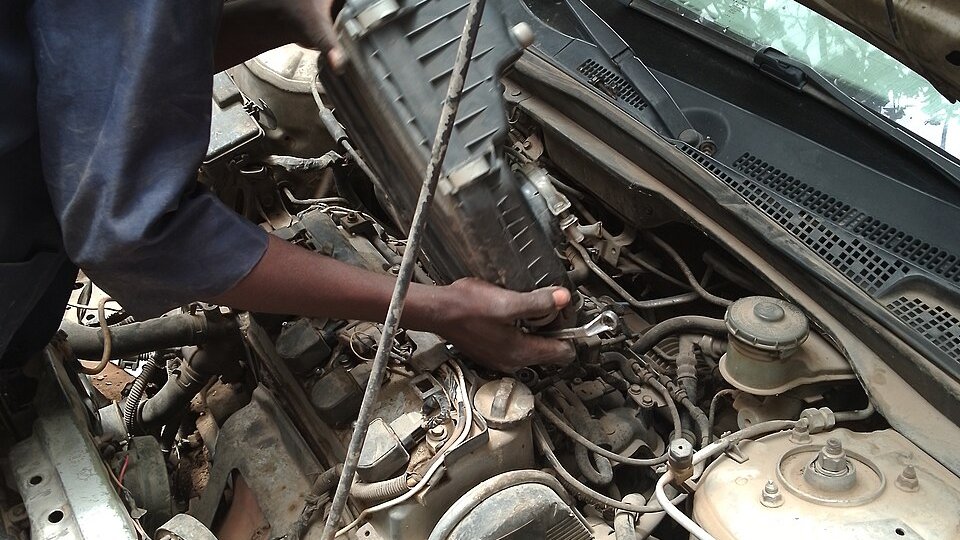
Shops quote engine replacement in book hours. For a mainstream front-wheel-drive four-cylinder, published estimates land somewhere around 8 to 15 hours, and a V6, an all-wheel-drive layout or any car where the subframe has to drop pushes that higher. Multiply by your local shop rate and the labor line can match or beat the price of the engine. Ask the shop for its book time before you buy anything, not after.
Read More: A San Diego Car Club With Local Roots: Inside Fast Lane Drive
Labor is also where the cheap quote and the honest quote split. One shop may plan to swap your intake, alternator and sensors onto the new block. Another may quote as if the replacement arrives dressed and ready, which it may not.
The “while it’s out” list
With the engine on a stand, a handful of parts cost almost nothing to reach and a fortune to reach later. A sensible shop will suggest most of these:
- Engine and transmission mounts, especially if the old ones are cracked or soaked in oil
- Rear main seal and valve cover gaskets
- Timing belt, tensioner and water pump on belt-driven engines with no service record
- Spark plugs, thermostat, radiator hoses and the drive belt
- Fresh oil, filter and coolant, plus transmission fluid if it was drained
Expect this list to add a few hundred dollars. Skipping it to save money is the classic false economy: a $40 seal that leaks next spring means pulling the transmission again.
Freight, core and the small print
Engines ship by freight truck, often to a commercial address. Some sellers charge a core deposit refunded when your old engine goes back; others do not take cores at all. Then there are disposal fees for fluids and the dead block if you keep it. Read the warranty terms before paying too. Many used-engine warranties only stay valid if the installer replaces specific wear items and documents it, and almost all of them exclude labor.
Electronics and emissions
Newer cars add another layer. A replacement may need the immobilizer matched or the computer reprogrammed, and your state may have rules about which engine can legally go into which vehicle. California’s Bureau of Automotive Repair, for one, requires the replacement to be the same or newer model year and certified configuration. A shop that does swaps regularly will know this; a general repair shop might not.
Read More: How to Inspect Used Car under $10k in Orlando
A realistic way to budget
Take the engine price and roughly double it as a starting assumption for the whole job on a common sedan. Then refine with three numbers from your installer: book hours times rate, the parts list above, and any programming or inspection fees. If the total lands above what the car is worth, that is the moment to step back.
And if it doesn’t? A healthy engine in a body you already know, with brakes and tires you already replaced, is often cheaper per year of driving than any used car on the lot. The math just has to include all of it.
