

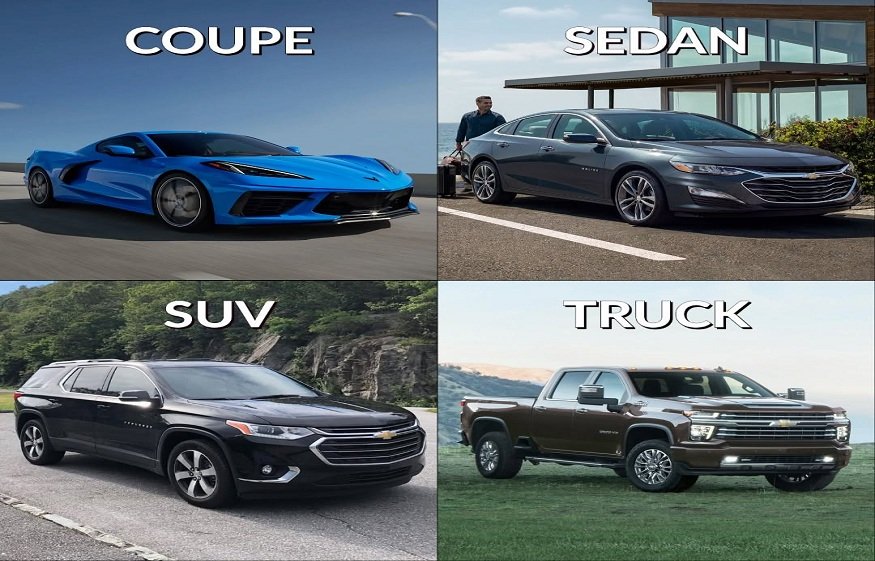
The showroom can make almost any vehicle look like the answer, and in deed it can be at different times and scenarios. But real life exposure is less forgiving. The car still has to squeeze into the parking space outside work, carry the weekly groceries and get you home when the weather turns ugly. It may spend most of its time in traffic or spend the week carrying tools. That is why the best choice starts with your routine, not the badge on the grille or the longest list of features.
1. Sedan: When Most Journeys Are Ordinary
This recognizes the reality of most drivers’ daily usage: most daily life journeys do not involve climbing mountains, towing boats, or driving through deep mud—but rather going to work, taking children to school, going to the market, and traveling on paved urban and highway roads.
Read More: What Happens If You Refuse a Breath Test During a DWI/DUI Stop?
The main feature of a Sedan is that it is designed to offer high efficiency for these ordinary journeys instead of charging you for features you rarely use. An assessment of how the Sedan positions itself and compares to its alternatives when it comes to these daily journeys confirms that a sedan uses very little fuel and offers a smooth ride with less wind noise and body roll around corners compared to an SUV.
Also, a sedan is designed to maneuver in and out of tight parking spaces on streets or in commercial buildings without hassle. However, having a reliable auto mechanic shop like D. Wells Auto is crucial to maintaining these advantages and achieving one of the sedan’s key ownership benefits: lower running costs through timely servicing, early fault detection, and proper maintenance.
2. SUV: When Your Week Keeps Changing
Some vehicles earn their space simply because life does not stay predictable. One weekend you are carrying luggage. The next, it is children, sports gear, groceries or a family pet. An SUV gives you more room to handle those changes without constantly wondering where everything will fit.
Ground clearance can also help when roads become uneven or waterlogged. All-wheel drive or four-wheel drive adds traction on some models, but it is worth checking the vehicle’s actual design rather than assuming every SUV is ready for serious off-road driving.
A growing family may genuinely need three rows. A couple may find a smaller SUV more practical. The important question is simple: what will you regularly carry, and where will you drive it?
3. Truck: When Carrying Things Is Part of the Job
Someone who regularly tows a trailer needs more than a comfortable cabin and a large touchscreen. A pickup truck makes sense when you regularly need to move cargo that do not belong inside a passenger vehicle. Tools, building materials, farm supplies, recreational equipment and towing loads are obvious examples.
For a contractor, the truck may start work before the driver does. The cargo bed gets loaded, unloaded and loaded again. That kind of use changes what matters in ownership. Payload, towing ability, suspension strength and drivetrain durability become practical concerns rather than brochure figures.
Maintenance needs to follow the workload too. Tires and brakes deserve attention, as do transmission and differential fluids, steering and suspension components, and the four-wheel-drive system where fitted.But if the truck rarely carries or tows anything, its extra size and capability may spend most of their time sitting unused.
4. The Best Fit Is the Vehicle You Will Actually Use Comfortably
This is where vehicle shopping gets interesting. People often buy around an imagined version of their lives. This is often where people make the decision harder than it needs to be.
The adventurous buyer imagines remote trails. The family imagines every possible road trip. The business owner imagines every load the vehicle might one day carry. Then Monday arrives, and the vehicle spends
Read More: A Day in a Lambo: What It’s Like to Drive a Supercar for 24 Hours
Someone might picture weekend adventures and buy a large SUV, then spend 95% of the year driving to an office. A business owner might need a pickup during the week but still want a comfortable family vehicle for personal travel. Neither situation has a universal answer.
Look at the ownership cost as a whole:
- Purchase or financing costs
- Fuel or energy use
- Insurance
- Servicing and repairs
- Tires
- Towing, hauling or other regular workload
A good automotive professional should start with those questions before pointing you toward a particular model. Your driving habits, budget and workload matter more than simply choosing the biggest vehicle you can afford.
In essence, the vehicle you choose will follow you into your pride and monthly budget, your parking space, your commute and your maintenance schedule. That makes the decision bigger than appearance or badge appeal. Choose enough capability for the work and travel you genuinely expect, then make professional servicing part of the ownership plan. A vehicle that fits your real life is easier to live with—and easier to keep dependable.
