

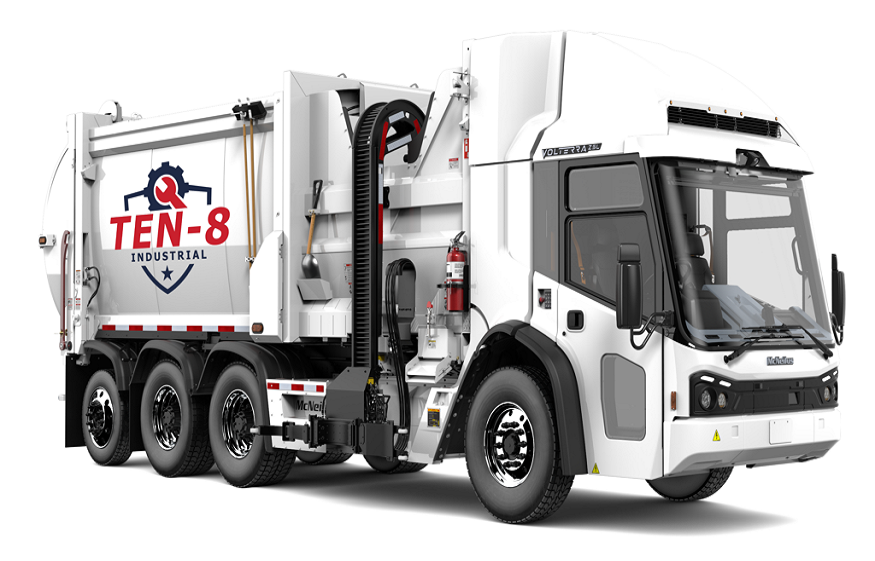
Sustainability has become a central focus for municipalities and waste management companies worldwide. As communities demand greener operations and reduced environmental impact, choosing the right equipment is critical. McNeilus Refuse Trucks are engineered to support sustainable waste management practices through fuel efficiency, advanced technology, and environmentally friendly options. With expert support from Ten-8 Industrial, fleets can integrate McNeilus trucks into sustainable programs while maintaining operational efficiency and safety.
Fuel Efficiency and Emissions Reduction
One of the most impactful ways McNeilus Refuse Trucks promote sustainability is through fuel-efficient design. Modern models are built with advanced hydraulic systems and optimized compaction mechanisms that require less energy to operate, reducing fuel consumption on collection routes.
In addition to traditional diesel options, many McNeilus trucks are compatible with alternative fuel systems, including compressed natural gas (CNG) and fully electric drivetrains. These options lower greenhouse gas emissions, reduce pollutants, and help municipalities comply with increasingly strict environmental regulations.
By choosing fuel-efficient or alternative-fuel McNeilus trucks, waste fleets can significantly reduce their carbon footprint while maintaining high performance and productivity. Ten-8 Industrial provides guidance on selecting the right alternative fuel models and supports fleets in transitioning to greener technologies.
Reduced Waste and Increased Payload Efficiency
McNeilus Refuse Trucks are designed with advanced compaction systems that maximize payload capacity. Efficient compaction means that trucks can carry more waste per trip, reducing the number of trips required to disposal facilities.
Fewer trips not only save fuel but also reduce road congestion, lower emissions, and minimize wear on infrastructure. Whether operating front loaders, rear loaders, or automated side loaders, McNeilus trucks optimize collection efficiency while supporting environmental sustainability goals.
Automated Technology for Sustainable Operations
Automation in McNeilus Refuse Trucks also contributes to sustainable waste management. Automated side loaders (ASLs) allow a single operator to manage residential routes efficiently without leaving the cab.
Benefits of automation include:
- Reduced fuel consumption due to optimized routes and fewer stops
- Lower labor-intensive waste handling, which decreases operational strain and reduces the likelihood of errors
- Integration with telematics, enabling route optimization and real-time monitoring of fuel efficiency and vehicle performance
Ten-8 Industrial assists fleets in implementing telematics systems and training operators, ensuring that sustainable practices are embedded in daily operations.
Supporting Recycling and Waste Diversion Programs
Sustainability in waste management goes beyond fuel efficiency—it also involves supporting recycling and proper waste diversion. McNeilus Refuse Trucks can be configured with multiple compartments or specialized collection bodies to separate recyclables, organics, and general waste during collection.
By enabling source separation and more organized collection, these trucks help municipalities increase recycling rates, reduce landfill use, and contribute to a circular economy. Ten-8 Industrial provides guidance on truck configurations that align with local recycling and diversion programs, ensuring that fleets meet sustainability goals without compromising efficiency.
Durable Design Reduces Environmental Impact
Durability is another sustainability factor. McNeilus Refuse Trucks are built to withstand years of heavy-duty operation, reducing the frequency of truck replacement. Longer vehicle lifespans mean fewer trucks are manufactured over time, conserving resources and minimizing environmental impact from production.
Additionally, McNeilus trucks are designed with serviceability in mind. Easy access to hydraulic components, packers, and other critical systems allows fleets to maintain vehicles efficiently, preventing premature failures and extending operational life. Ten-8 Industrial provides maintenance support and genuine parts to keep trucks running longer, contributing to sustainable fleet management practices.
Safety and Sustainable Practices
Sustainability is closely linked to safety. McNeilus Refuse Trucks incorporate features such as 360-degree cameras, stability control, and ergonomic cab designs to protect operators. Safe, efficient operations reduce the risk of accidents that can result in environmental hazards, such as spills or fuel leaks.
Operator training, combined with safety systems, ensures that waste collection is both environmentally responsible and secure. Ten-8 Industrial provides support for training and maintenance to reinforce safe and sustainable operation across all McNeilus truck models.
Conclusion
McNeilus Refuse Trucks support sustainable waste management through fuel efficiency, alternative-fuel options, advanced compaction technology, automation, and durable design. These trucks help municipalities and waste management companies reduce emissions, optimize collection routes, support recycling programs, and minimize overall environmental impact.
With expert support from Ten-8 Industrial, fleets can configure, maintain, and operate McNeilus trucks in ways that align with both sustainability and operational goals. For waste management organizations committed to greener practices, McNeilus Refuse Trucks remain a leading solution in 2026 and beyond.
